
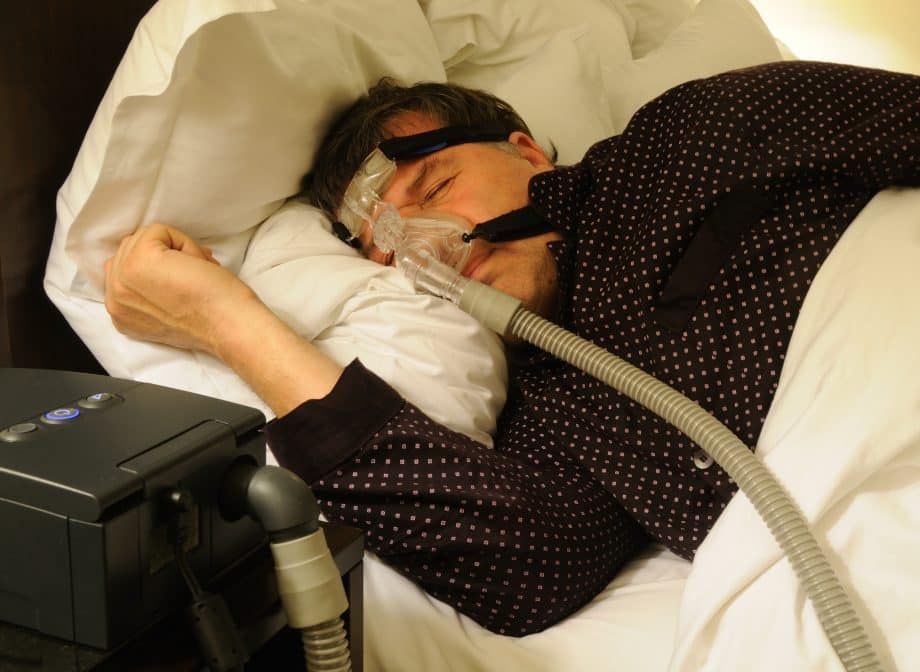
Sleep apnea is more than just loud snoring; it's a severe sleep disorder where breathing repeatedly stops and starts. Living with this condition requires ongoing management and awareness of your symptoms. For many, a diagnosis is the first step toward better health, but it's not the end of the journey. Symptoms can change over time, and what once was a manageable condition might slowly become more severe without you even realizing it. Recognizing the subtle (and not-so-subtle) shifts in your health is key to ensuring your treatment remains effective, and your overall well-being is protected.
We understand that tracking your symptoms can be challenging. It’s easy to dismiss increased daytime sleepiness as a result of a busy week or attribute morning headaches to stress. However, these could be indicators that your sleep apnea is progressing. Paying close attention to your body's signals is essential. If your current treatment plan no longer provides the relief it once did, or if new symptoms are emerging, it may be time to re-evaluate your condition. Ignoring these signs can lead to more significant health complications down the road, affecting everything from your heart health to your daily cognitive function.
1. Your Snoring is Louder or More Frequent
One of the most common signs associated with obstructive sleep apnea (OSA) is snoring. While not everyone who snores has sleep apnea, a change in the pattern or volume of your snoring can be a significant red flag. If your partner or family members comment that your snoring has become noticeably louder, more disruptive, or has taken on a gasping or choking quality, it’s a sign that your airway may be experiencing more significant blockages during sleep. This escalation often means the apneas—or pauses in breathing—are becoming more frequent or lasting longer.
Think of snoring as the sound of a narrowed airway. The louder it gets, the more obstructed that passage has become. This increased resistance makes it harder for you to breathe, forcing your body to work overtime just to get enough oxygen. This problem isn't just a noise issue; it's a direct reflection of the severity of your condition. It indicates that the soft tissues at the back of your throat are collapsing more completely. If your once-mild snoring now rattles the walls, it’s a clear signal that your sleep apnea might be worsening and requires a professional assessment.
2. You Feel More Tired During the Day
Constant daytime fatigue is a hallmark symptom of sleep apnea. When you first began treatment, you likely experienced a welcome surge in energy. However, if that debilitating exhaustion is creeping back into your life despite using your CPAP machine or oral appliance, it's a significant indicator that your condition may be progressing. This isn't just feeling a little tired; it's an overwhelming sense of sleepiness that can make it difficult to concentrate at work, stay awake while driving, or simply get through your daily routine. You might find yourself needing more caffeine than usual or fighting the urge to nap at inappropriate times.
This fatigue happens because, as sleep apnea worsens, the number of breathing interruptions per hour increases. Each time you stop breathing, your brain rouses you from deep, restorative sleep to restart the process. Even if you don't remember these awakenings, they fragment your sleep cycle and prevent you from getting the quality rest your body and mind need to function. If you're doing everything right with your treatment but still feel like you're running on empty, your sleep apnea may have intensified beyond what your current therapy can manage.
3. You’re Experiencing More Frequent Morning Headaches
Waking up with a throbbing headache is a miserable way to start the day. If you find this is becoming a regular occurrence, it could be a sign of worsening sleep apnea. These aren't typical tension headaches; patients describe them as a dull, pressing ache, usually on both sides of the head. They tend to appear upon waking and, thankfully, often dissipate within a few hours. Many people might mistakenly attribute them to dehydration, stress, or a bad pillow, but when they happen consistently, sleep apnea is a likely culprit.
Morning headaches from sleep apnea are caused by a lack of oxygen and a buildup of carbon dioxide in your blood during the night. As your breathing becomes more disrupted, the oxygen levels in your brain can drop. In response, the blood vessels in your brain widen to try to increase blood flow, which can lead to that painful, pounding sensation in the morning. If you've noticed an uptick in how often you wake up with a headache, it's a strong physiological sign that your body isn't getting the oxygen it needs. At the same time, you sleep, pointing to a potential decline in your condition.
4. You've Noticed Changes in Your Mood or Concentration
Sleep apnea doesn't just impact your physical health; it takes a significant toll on your mental and cognitive well-being. The chronic sleep deprivation caused by the condition starves your brain of the restorative rest it needs to regulate emotions and perform complex tasks. If you've noticed that you're more irritable, anxious, or are experiencing symptoms of depression, it could be a sign that your sleep apnea is getting worse. You might find yourself with a shorter fuse toward loved ones or feeling a persistent sense of overwhelm that wasn't there before.
Similarly, a decline in cognitive function is a clear warning sign. This can manifest in several ways:
- Difficulty concentrating: You might find it hard to focus on tasks at work or follow a conversation.
- Memory problems: Forgetting appointments, misplacing items, or struggling to recall information can become more common.
- Brain fog: You may experience a general feeling of mental cloudiness or sluggishness that makes clear thinking difficult.
These symptoms arise because the parts of your brain responsible for executive function and emotional regulation are highly sensitive to oxygen deprivation and sleep fragmentation. If your mental sharpness and emotional stability seem to be slipping, it’s a serious indication that your sleep apnea is no longer well-managed.
5. Your Blood Pressure is Increasing
Perhaps the most dangerous sign of worsening sleep apnea is a rise in blood pressure. The connection between the two is well-established. Each time you stop breathing, your body goes into a state of alarm. Stress hormones, like adrenaline, are released, causing your heart rate to spike and your blood vessels to constrict. This process, happening hundreds of times a night, puts immense strain on your cardiovascular system. Over time, this can lead to sustained high blood pressure, or hypertension, during the day.
If you are monitoring your blood pressure at home or your doctor has noted an increase during check-ups, you should not take it lightly. This increase is a sign that the effects of your sleep apnea are becoming more systemic and are putting your heart health at risk. Uncontrolled hypertension significantly increases your risk for heart attack, stroke, and other serious cardiovascular diseases. If your blood pressure is trending upward despite your current treatment and lifestyle, it is a critical sign that you need to seek a re-evaluation of your sleep apnea treatment plan to protect your long-term health.
Frequently Asked Questions About Sleep Apnea Treatment
Can weight gain make my sleep apnea worse?
Yes, absolutely. Weight gain is one of the most common reasons sleep apnea can worsen over time. Even a modest weight gain can lead to additional fat deposits in the neck and throat. This extra tissue can further narrow your airway, increasing the likelihood of collapse during sleep and increasing the frequency and severity of apnea events.
My CPAP machine doesn't feel as effective anymore. What should I do?
If your CPAP therapy seems less effective, the first step is to check your equipment. Ensure your mask has a proper seal and isn't leaking, and that your pressure settings are still correct. However, if your equipment is working and your symptoms are returning, it could mean your sleep apnea has worsened. You may need a new sleep study to determine whether your pressure settings need adjustment or if a different treatment option is now more appropriate.
At Dentistry of Mendham, we provide comprehensive care for our patients throughout Morris County and the surrounding communities. Our team helps individuals find practical solutions for a better night's sleep and improved overall health. If you are experiencing any of these symptoms or have questions about your treatment, please reach out to us to schedule a consultation.