If you look in the mirror and wish your smile felt brighter, straighter, or more uniform, you join many others with similar goals. Many of our patients visit us to repair minor chips, close small gaps, or cover stubborn stains that professional whitening does not remove. Today’s modern advancements give us several excellent ways to transform your teeth and boost your confidence. When we talk with our patients about cosmetic dentistry options, the conversation often comes down to two popular treatments: dental bonding and porcelain veneers.
Both methods deliver fantastic results and dramatically improve the appearance of your teeth. However, each one uses different materials, involves unique procedures, and serves slightly different long-term goals. Your specific dental needs, budget, and desired longevity determine which one fits best. We created this guide to explain exactly how teeth bonding and veneers work so you can make the best possible choice for your smile.
Understanding the Ins and Outs of Dental Bonding
Dental bonding, or composite bonding, offers a highly versatile and minimally invasive treatment. We apply a tooth-colored composite resin directly to your tooth’s surface. We sculpt this putty-like material to cover chips, fill gaps, or reshape the tooth. When we achieve the perfect shape, we use a special curing light to harden the resin and bond it securely to your natural enamel. Finally, we polish your tooth to match the natural sheen of your surrounding teeth.
This straightforward procedure allows us to complete bonding in a single visit. We rarely remove any of your natural tooth structure, so you typically do not need local anesthesia unless we use bonding to fill a cavity.
The Advantages of Dental Bonding
- Fast results: We usually complete bonding in one short appointment, so it’s incredibly convenient.
- Cost-effective: Bonding ranks among the most affordable cosmetic dental procedures.
- Conservative approach: We preserve almost all of your healthy tooth enamel.
- Reversible: Since we don’t alter your underlying tooth structure, you can reverse bonding.
Potential Drawbacks to Keep in Mind
Dental bonding gives you a quick fix, but the composite resin does not match the strength of your natural teeth. If you chew on hard objects like ice or pens, you can chip or break the bonded area. The resin material also absorbs stains over time from coffee, tea, red wine, and tobacco, just like natural enamel. With proper care, your bonded tooth looks great for about four to eight years before you need a touch-up or replacement.
Exploring the Transformative Power of Porcelain Veneers
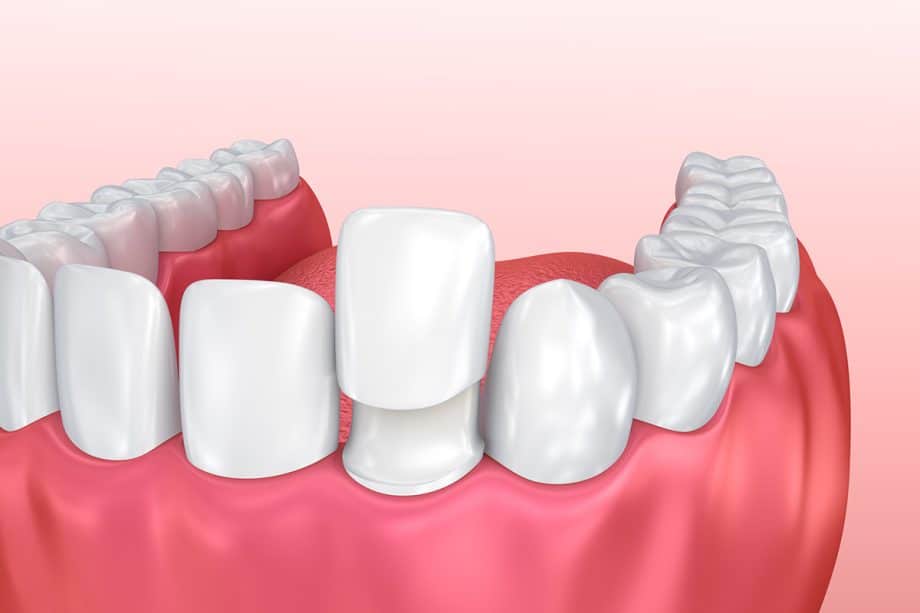
Porcelain veneers provide a permanent, comprehensive solution for smile makeovers. A veneer is an ultra-thin, custom-made ceramic shell that completely covers the front surface of a tooth. We use veneers to correct many cosmetic issues at once. When you face severe discoloration, noticeable gaps, minor crowding, or oddly shaped teeth, veneers create a flawlessly straight and bright appearance.
You need a bit more planning and time for veneers than for bonding. You can expect to complete the veneer process in two or three visits. At your first treatment appointment, we remove a tiny layer of enamel—usually less than a millimeter—so we can prepare your teeth. This step lets the veneer sit flush with your gum line, keeping your smile looking natural. We then take precise impressions of your teeth and send them to a specialized dental laboratory, where skilled technicians craft your custom veneers. While you wait, you wear temporary veneers. When your permanent veneers arrive, we check their fit and color, then cement them in place.
The Major Benefits of Veneers
- Incredible durability: Dental porcelain offers remarkable strength and can last 10 to 15 years or longer with proper care.
- Stain resistance: Porcelain resists staining much more than natural enamel and composite resin, so your smile stays bright for years.
- Lifelike appearance: Porcelain’s translucent quality allows it to reflect light like natural teeth, creating the most natural-looking results.
- Comprehensive correction: Veneers address multiple structural and cosmetic issues simultaneously.
Considerations Before Choosing Veneers
We remove a small amount of enamel to place veneers, making the procedure irreversible. Once you choose veneers, you will always need a covering on those teeth. The premium materials and laboratory work also make veneers a more expensive option than dental bonding.
Key Differences to Consider When Making Your Choice
When we help patients compare teeth bonding and veneers, we focus on several important categories. Both treatments improve your smile, but their differences directly affect which option best fits your lifestyle.
- Longevity and Durability: Veneers last longer and handle daily wear and tear far better than composite resin. If you want a long-term investment with minimal upkeep, choose veneers.
- Budget and Cost: Dental bonding is a more affordable way to address small cosmetic concerns or a single chipped tooth. Veneers cost more, but you get greater long-term value since you rarely need to replace them in the first decade.
- Time Commitment: We complete the bonding in one visit so that you can walk out with a restored smile in about an hour. Veneers, on the other hand, require multiple appointments over a few weeks and a period with temporary covers.
- The Scope of the Problem: We recommend bonding for minor tweaks—such as a single small chip or a small gap. If you seek a complete smile makeover or need to fix several noticeable alignment and discoloration issues, veneers offer a thorough transformation.
Making the Right Choice for Your Long-Term Smile Goals
You hold the power to decide which treatment best suits your goals, because no universal “best” exists between bonding and veneers. If you want a fast, affordable, and reversible way to fix a minor imperfection, choose dental bonding—it delivers outstanding results. If you seek a permanent, stain-resistant, and dramatic transformation, porcelain veneers make a wise investment.
We suggest starting with a personalized consultation. We carefully examine your teeth, discuss your aesthetic goals, and create a treatment plan that fits your budget and lifestyle. You can feel completely confident in whichever choice you make.
Frequently Asked Questions About Cosmetic Dentistry
Does dental insurance cover cosmetic procedures?
Most dental insurance plans classify treatments such as porcelain veneers and cosmetic bonding as elective, so insurance usually does not cover them. However, when we use bonding to repair structural damage—such as fixing a broken tooth from an injury or filling a cavity—your insurance may cover part of the cost.
How do I know if I am a good candidate for cosmetic dental work?
You need healthy teeth and gums to qualify for cosmetic treatments. Before we start any cosmetic procedure, we first address problems such as tooth decay or gum disease. If you grind your teeth at night, you can damage bonding or veneers. During your initial consultation, we assess these issues to ensure your cosmetic results remain beautiful, safe, and long-lasting.
We provide comprehensive dental care tailored to your unique needs, helping you build a healthy, confident smile in a welcoming environment. If you want to explore how we can help you achieve your dream smile, please reach out to us to schedule your consultation today.