You brush your teeth every morning and night, floss when you remember, and try to limit sugary snacks. But even with a solid oral hygiene routine, your gums can still signal that something is wrong. Gum disease, also called periodontal disease, often starts quietly and without pain in its initial stages. Since it sneaks up so quietly, many people fail to realize they have a problem until it grows into a much more severe condition. When we catch the early signs of gum disease, we give ourselves the best chance to reverse the damage and protect the foundation of our smile.
We want to help you know exactly what to look for when you stand in front of your bathroom mirror. By recognizing the earliest stage of gum disease, called gingivitis, you can take immediate action. When you ignore plaque, it hardens into tartar, triggering chronic inflammation that threatens your teeth and underlying bone. Let’s explore the primary warning signs that show your gums need professional attention, so you can keep your mouth healthy and avoid complex dental treatments down the road.
Red, Swollen, or Bleeding Gums
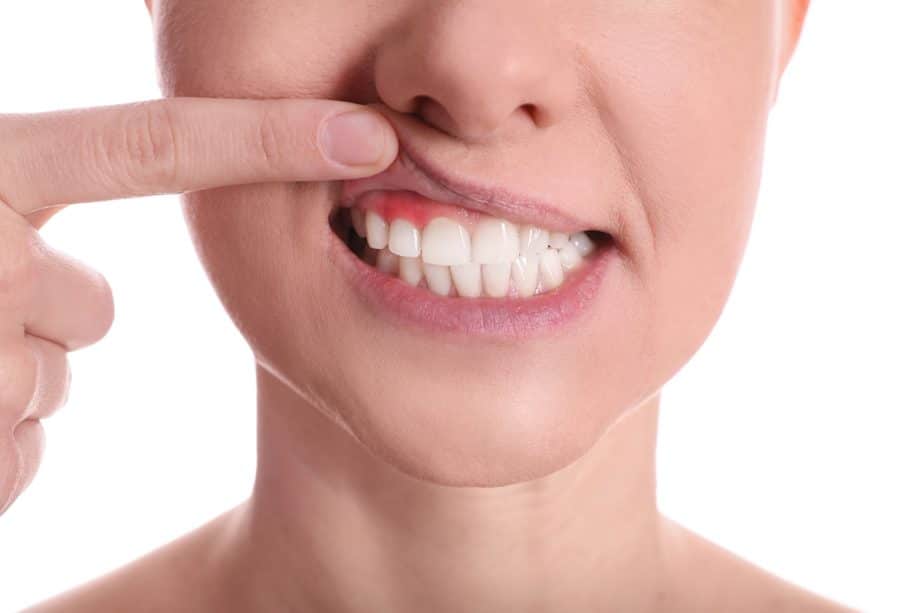
One of the most common and noticeable early signs of gum disease is a change in the color and texture of your gum tissue. Healthy gums look firm and pale pink, fitting snugly around the base of each tooth. If you notice your gums looking bright red, puffy, or tender to the touch, your body is fighting off bacteria. Plaque—a sticky film of bacteria—accumulates along the gumline and causes this inflammation. As your immune system attacks these bacterial toxins, the blood vessels in your gums expand and create the swelling and redness you notice.
You might also notice bleeding during your daily oral care routine. Many people wrongly believe that bleeding gums result from brushing too hard or using a new type of floss. In truth, healthy gums never bleed during normal brushing or flossing. If you spit out pink-tinged toothpaste or see blood on your dental floss, your gum tissue may feel inflamed and remain vulnerable.
Key indicators of inflammation:
- Gums that feel unusually tender when you chew or touch them
- A shiny, swollen appearance along the gumline
- Consistent bleeding during your morning or evening brushing routine
- Traces of blood on your dental floss, even with gentle technique
Persistent Bad Breath and Unpleasant Taste
We all face occasional morning breath or a lingering garlic flavor after a hearty meal. However, if you struggle with persistent bad breath that sticks around—even after you brush, floss, and rinse with mouthwash—you may see an early warning sign of gum disease. Dentists call this condition halitosis. Plaque bacteria break down food particles and multiply in your mouth, releasing volatile sulfur compounds. These foul-smelling gases get trapped in the small spaces between your teeth and under the gumline, causing an odor that mints and gum only temporarily hide.
Alongside chronic bad breath, you may also notice a metallic or generally unpleasant taste in your mouth throughout the day. Bacteria constantly release toxins and byproducts directly against your taste buds. As gingivitis develops, these bacteria thrive in the tiny pockets that form between swollen gums and teeth. Your toothbrush bristles rarely reach deep into these inflamed spaces, so bacteria multiply unchecked, making bad breath and a sour taste a constant, daily frustration that calls for professional care.
Receding Gums and Tooth Sensitivity
As early gum disease progresses, you may notice your teeth look longer than before. Inflamed gum tissue pulls away from the teeth, which leads to gum recession. When your gums recede, they reveal the delicate root of the tooth. The crown of your tooth has a thick layer of hard enamel for protection, but the root only has a softer material called cementum. If this lower section of your tooth is exposed, you may experience new discomfort in your daily life.
This exposure makes your teeth more sensitive. You may feel a sharp, sudden jolt of pain when you drink ice water, sip hot coffee, or eat sweet foods. The exposed roots have microscopic tubules that connect straight to your tooth's nerve center. When you notice this uncomfortable sensitivity along with receding gum lines, you need to seek professional care right away. If you explore targeted treatments in periodontics, you can halt recession, eliminate hidden bacterial pockets, and protect vulnerable roots before bone loss begins.
Protecting Your Oral Health for Life
If you ignore the early warning signs of gum disease, the bacteria will cause more serious, more permanent damage. When we catch gingivitis early, we can reverse it through professional dental cleanings and improved home care. By paying close attention to changes in your gum color, unexpected bleeding, stubborn bad breath, or new sensitivities, you stand as the first line of defense in preserving your oral health.
We urge you to take charge of your dental health by scheduling regular checkups and cleanings. Our team removes hardened tartar that your toothbrush cannot reach, refreshing your entire oral environment. When you pair our care with twice-daily brushing using a soft-bristled brush, daily flossing, and a balanced diet, you give your gums everything they need to stay strong, firm, and healthy for life.
Frequently Asked Questions About Periodontics
What is the main cause of periodontal disease?
Plaque—a sticky film of bacteria—constantly forms on your teeth and causes periodontal disease. When you don’t remove plaque through daily brushing and flossing, it hardens into tartar under the gumline. This tartar buildup irritates your gums, causing inflammation, infection, and eventually breaking down the tissue and bone that support your teeth.
Can early-stage gum disease be reversed?
Yes, you can completely reverse early-stage gum disease, known as gingivitis. The inflammation has not yet harmed the bone or connective tissue that holds your teeth in place, so that we can treat it successfully. To reverse gingivitis, you need a professional dental cleaning to remove all plaque and tartar, followed by a strict, consistent daily oral hygiene routine at home.
At Dentistry of Mendham, we offer compassionate and comprehensive dental care to our local community. We help you maintain a healthy, beautiful smile through preventive care and personalized treatment plans. If you notice any signs of gum disease or want to schedule your next routine checkup, reach out to us today.