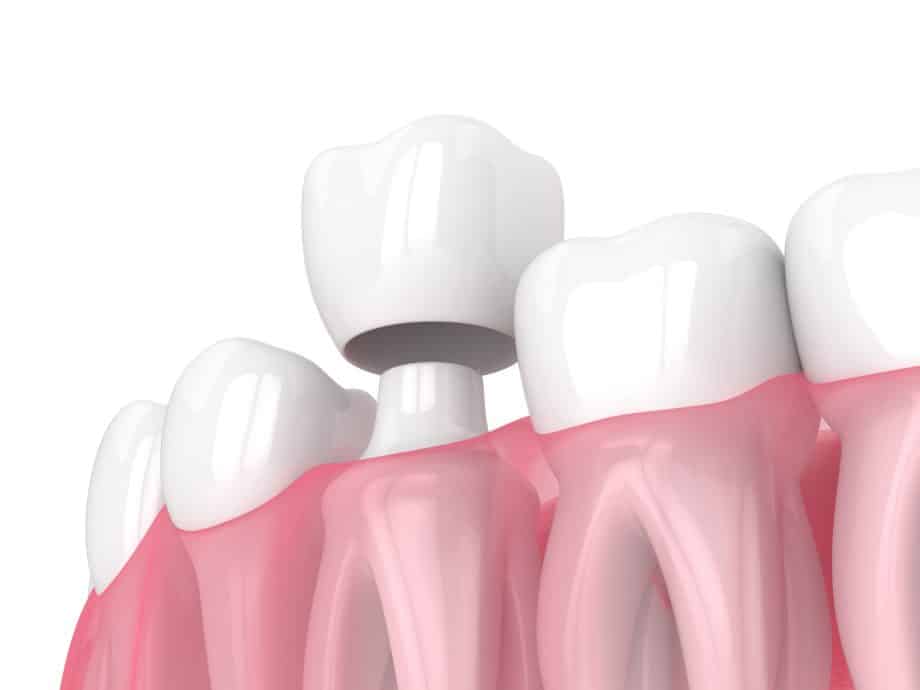
Your dental crown serves as a durable restoration, but like many good things, it won’t last forever. When we place a crown, our goal is to protect your damaged tooth and restore its function for many years. However, daily wear and tear, changes in your oral health, and the natural aging of materials eventually strain even the highest quality crowns. You need to recognize when your crown nears the end of its lifespan to prevent further damage to your underlying tooth and avoid painful emergencies.
We often see patients wait until a crown falls out or breaks before seeking help, but subtle warning signs usually appear long before that happens. By staying alert to how your crown looks and feels, you can catch issues early. Whether you’ve had your restoration for five years or fifteen, understanding these indicators helps you maintain a healthy, functional smile. In this guide, we walk you through the most common red flags that may indicate you need a replacement.
Gum Line Recession and Dark Margins
You can spot a failing crown by looking at the gum tissue around it. Over time, your gums may recede or pull away from the crown. You might cause this with aggressive brushing, or it might result from gum disease or the natural aging process. When the gums recede, they expose your tooth root—an area your enamel and crown don’t cover. This exposed area becomes highly susceptible to decay and sensitivity.
If you have an older porcelain-fused-to-metal (PFM) crown, gum recession may reveal a dark line at the tooth’s base. This dark margin shows the metal underlying the porcelain. While this does not always indicate failure or decay, it often concerns our patients from a cosmetic standpoint. More importantly, the gap created by gum recession provides a hiding place for bacteria. Plaque builds up in this ledge and becomes hard to clean, making it easier for decay to creep under the crown.
Why Gum Recession Matters for Crowns
- Increased Sensitivity: Exposed roots respond sharply to hot and cold.
- Aesthetic Decline: A dark metal line detracts from your smile.
- Hygiene Challenges: The gap traps food particles and plaque.
- Structural Risk: Missing gum support weakens tooth stability.
If you notice a difference in your gum line or spot a new dark line, let us evaluate the restoration’s integrity. We examine whether you need to address the recession for cosmetic reasons or because it poses a risk to your tooth.
Persistent Pain or Sensitivity
A dental crown should feel comfortable and natural. If you experience persistent discomfort, something isn’t right. Pain around a crowned tooth can result from issues like a bad bite or an infection deep in the tooth’s nerve.
You might feel sensitivity to hot or cold foods that lingers for several seconds or minutes. This reaction usually happens when the crown’s seal breaks down. When cement washes out or the crown loosens, temperature changes can easily reach sensitive dentin below. Sharp pain on biting often signals a crack in your tooth or a crown sitting too high, which puts extra force on the periodontal ligament.
Types of Pain to Watch For
- Sharp Pain on Biting: Look for fractures or a loose crown.
- Dull, Throbbing Ache: Watch for deep decay or an abscess.
- Temperature Sensitivity: Leaky crowns or gum recession can cause this.
- Gum Soreness: Swelling or tenderness may indicate gum disease or a rough crown margin.
If you ignore these sensations, simple problems can become complex emergencies. A quick replacement, if neglected, may escalate to root canal therapy or extraction. Please schedule a visit if you notice changes in how your crowned tooth feels when you eat or drink.
Visible Wear, Chips, or Cracks
Examine your crown in the mirror. Does it appear the way it did when first placed? While dental materials provide impressive strength, chewing, grinding, and clenching subject your crown to constant pressure. Over the years, porcelain chips, fractures, and wear down have compromised the crown’s look and function.
Small chips might seem insignificant, but they weaken the structure. A roughened surface wears down the enamel on opposing teeth more than usual. Cracks create tiny spaces where bacteria invade. Even a minor-looking crack might extend deep, allowing saliva and bacteria to attack your vulnerable tooth underneath.
Consequences of Structural Damage
- Loss of Seal: Cracks give bacteria a way in.
- Bite Misalignment: Worn crowns can shift your bite and produce jaw pain.
- Opposing Tooth Damage: Rough porcelain grinds down other teeth.
- Total Failure: A minor fracture may eventually lead to the crown breaking off.
If you grind or clench your teeth (bruxism), your crowns face higher risks for this kind of damage. We check for flat spots on the crown’s chewing surface, which often indicate heavy wear. Replacing a damaged crown restores the protection your tooth needs and keeps your bite balanced.
Decay Underneath the Restoration
Many people believe that a tooth with a crown cannot develop cavities, but the truth is different. Crowns themselves don’t decay, but the living tooth underneath remains vulnerable. The margin, where the crown meets the tooth, creates the most likely place for new cavities to appear.
When cement erodes, or the original crown fit isn’t perfect, tiny gaps appear. Bacteria move into these spaces and cause decay quickly, especially since cleaning these areas at home proves difficult. This decay can progress for months without any visible sign or pain, making it particularly dangerous.
Detecting Hidden Decay
- Bad Taste or Odor: A persistent foul taste may mean a leaking margin and trapped bacteria.
- Soft Spots: We may feel soft areas around the crown edge during an exam.
- X-ray Shadows: While metal crowns block some views, we look for decay at the crown edges.
- Loose Feeling: If your crown wiggles, underlying decay could be dissolving the tooth.
When we address decay early, we can remove the old crown, clean the area, and place a replacement. If left unchecked, decay can destroy so much tooth structure that we may need to extract the tooth. See us for regular check-ups to monitor your crowns and recommend proactive solutions.
When the Crown Feels Loose
Your crown should feel secure and integrated with your jaw. If you notice movement when you touch the tooth with your tongue or finger, that’s a sign of trouble. A loose crown counts as a dental urgency because you risk swallowing or inhaling it if it falls out.
Crowns can loosen for several reasons. Sometimes dental cement simply washes away, breaking the adhesive bond. Or the tooth underneath might have fractured or rotted, leaving it unable to support the crown. Sticky foods can even loosen a crown.
What to Do If Your Crown is Loose
- Contact Us Immediately: Don’t wait for it to come off.
- Avoid Chewing on That Side: Reduce the risk of breaking the underlying tooth.
- Keep it Clean: Brush gently to prevent debris buildup.
- Do Not Force It: Never pull off or glue your crown with household adhesives.
Sometimes, re-cementing works if the crown fits well and the tooth underneath is still healthy. If decay or distortion caused the looseness, restorative dentistry offers the best option for a secure, lasting solution. We will find the cause and ensure your repair keeps your smile strong.
Prioritizing Your Oral Health
Knowing the signs of a failing crown helps you keep your smile healthier for longer. Whether you see visible damage and gum changes, feel sensitivity, or notice looseness, listen to what your teeth are telling you. Delaying treatment rarely solves problems and often leads to more complicated, expensive dental work.
We recommend scheduling ongoing hygiene appointments so we can check your crowns at every visit. When we examine your crowns, we look for open or deteriorating margins, wear, and any early decay that you might not see at home. If you think one of your crowns may need replacement soon, let us take a look—acting before a dental emergency gives you more options and peace of mind.
Frequently Asked Questions About Restorative Dentistry
How long does a dental crown typically last?
Most dental crowns last between 10 and 15 years. With excellent oral hygiene and routine dental visits, you may keep yours for 20 years or longer. Factors like the material (gold, porcelain, or zirconia), how hard you bite and chew, and your daily care habits all shape a crown’s lifespan. Crowns don’t "expire," but they can loosen if the cement fails or the tooth underneath changes.
Is the process of replacing a crown painful?
Replacing your dental crown feels much like getting the original one and usually doesn’t hurt. We numb the area with local anesthesia before removing the old crown. If the tooth already had a root canal, you might not need anesthesia since the nerve has been removed. You may feel mild sensitivity or gum soreness for a few days after placement, but these sensations fade quickly. Your comfort always comes first with us.
At Dentistry of Mendham, we love helping people in Mendham and nearby communities enjoy healthy, confident smiles. We treat every patient with personal care, offering everything from preventive cleanings to advanced restorative solutions. If you have questions about your crown or want a check-up, reach out to us to schedule your visit.